

Automobiles through the decades Part 2: 1920 to 1929 The Roaring 20s
The 1920s, famously known as the Roaring 20s, began with the adoption of two pivotal amendments to the United States Constitution that would reshape American society. This vibrant era was characterized not only by the energetic rhythms of jazz music and the spread of modern ideas in bustling urban centers, but also by profound, quieter shifts occurring across the nation.
With the ratification of the 19th Amendment, women gained the right to vote and soon sought additional forms of independence, most notably the ability to drive. Freed from reliance on public transportation or male relatives, women embraced the automobile as a symbol of autonomy. Cars enabled them to travel independently for work, education, or leisure. The rise of women’s motor clubs, female stunt drivers, and racers underscored a new wave of empowerment and mobility for women. This spirit is epitomized by Mariette Hélène Delangle (also known as Hellé Nice), a French dancer who became a race car driver. She competed in many events and quickly became a household name in France.
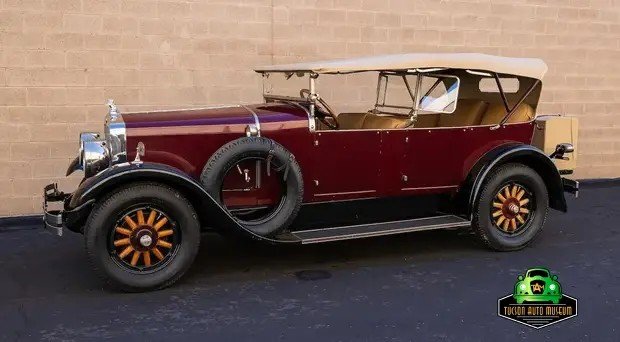
One vehicle that encapsulates this transformative period is the 1928 Franklin Airman Sport Tourer, now preserved at the Tucson Auto Museum. With its sleek, lightweight construction and advanced technology, the Franklin especially appealed to women who were new to driving. It featured an air-cooled engine, easy gear shifting, and a comfortable design, making the car both accessible and inviting. Automobile manufacturers began marketing cars as symbols of possibility and self-determination, rather than mere mechanical strength. This surge in female independence on the road mirrored another revolution taking place across America’s backroads.
During the Prohibition era, which began with the passage of the 18th Amendment in 1920, a different story unfolded. Instead of curbing alcohol consumption, Prohibition spurred a thriving underground economy and introduced the bootlegger, a daring new type of driver. Men and women alike navigated rural roads in modified vehicles, evading law enforcement under the cover of darkness while transporting cars packed full of illegal goods. These drivers relied on skill and specially tuned vehicles that appeared “stock” but concealed enhanced suspensions, powerful engines, and hidden compartments for smuggling. When not fleeing authorities, many bootleggers raced each other on improvised tracks. Necessity became sport, laying the foundation for a unique American racing culture. This rebellious spirit would echo decades later in professional racing, epitomized by legends such as Dale Earnhardt. The #3 car on display at the Tucson Auto Museum pays tribute to this legacy.
Automobiles in the 1920s were also intertwined with themes of power, extravagance, and status, especially among movie moguls, titans of business, the elite, and the notorious. While bootleggers sped along remote routes, city streets showcased the opulent Duesenberg, a masterpiece of engineering. The Duesenberg stood in stark contrast to the flapper’s vehicle of freedom or the bootlegger’s workhorse, representing the pinnacle of luxury and distinction. Despite their differences, each of these vehicles played a role in shaping the era.
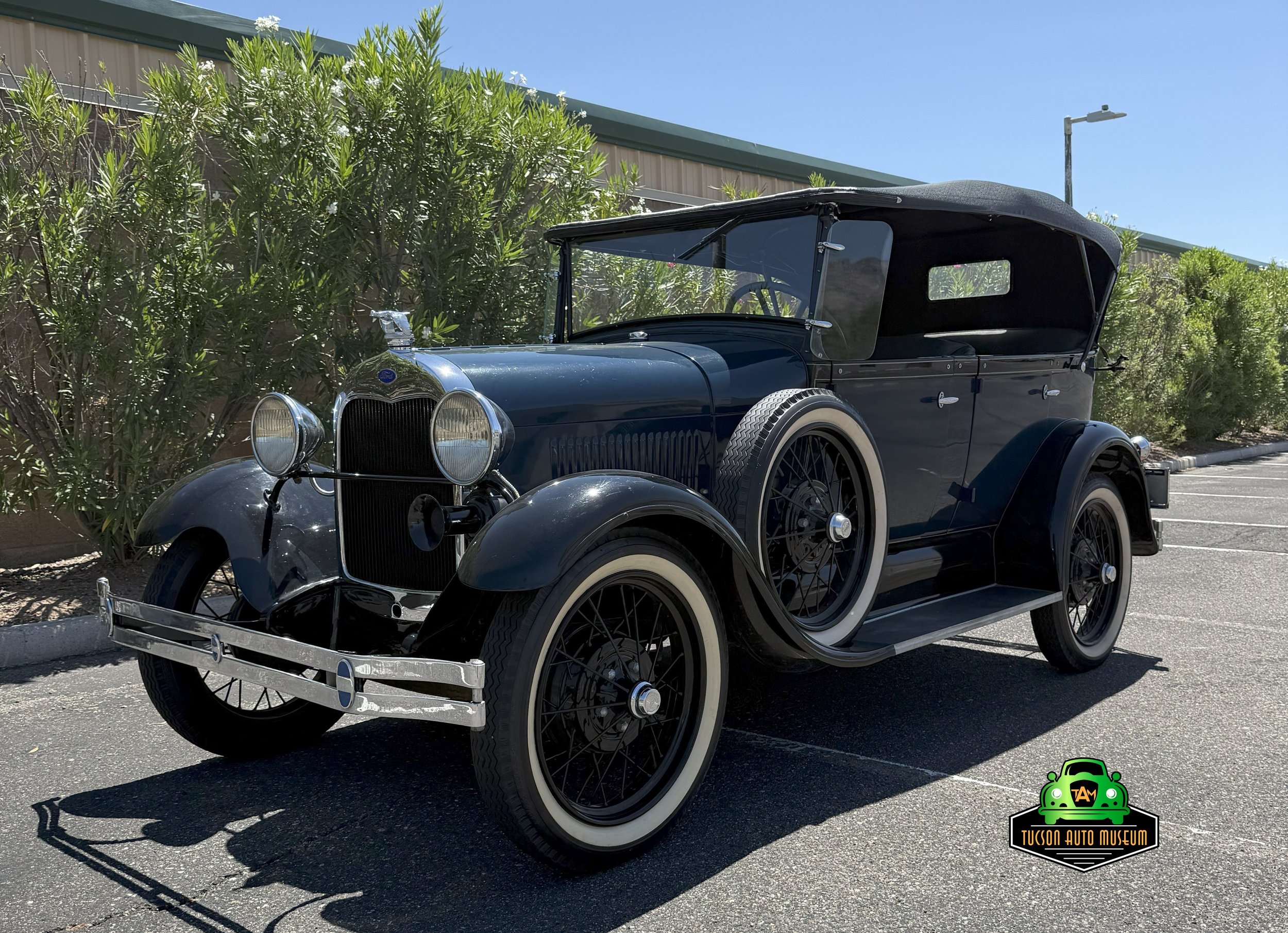
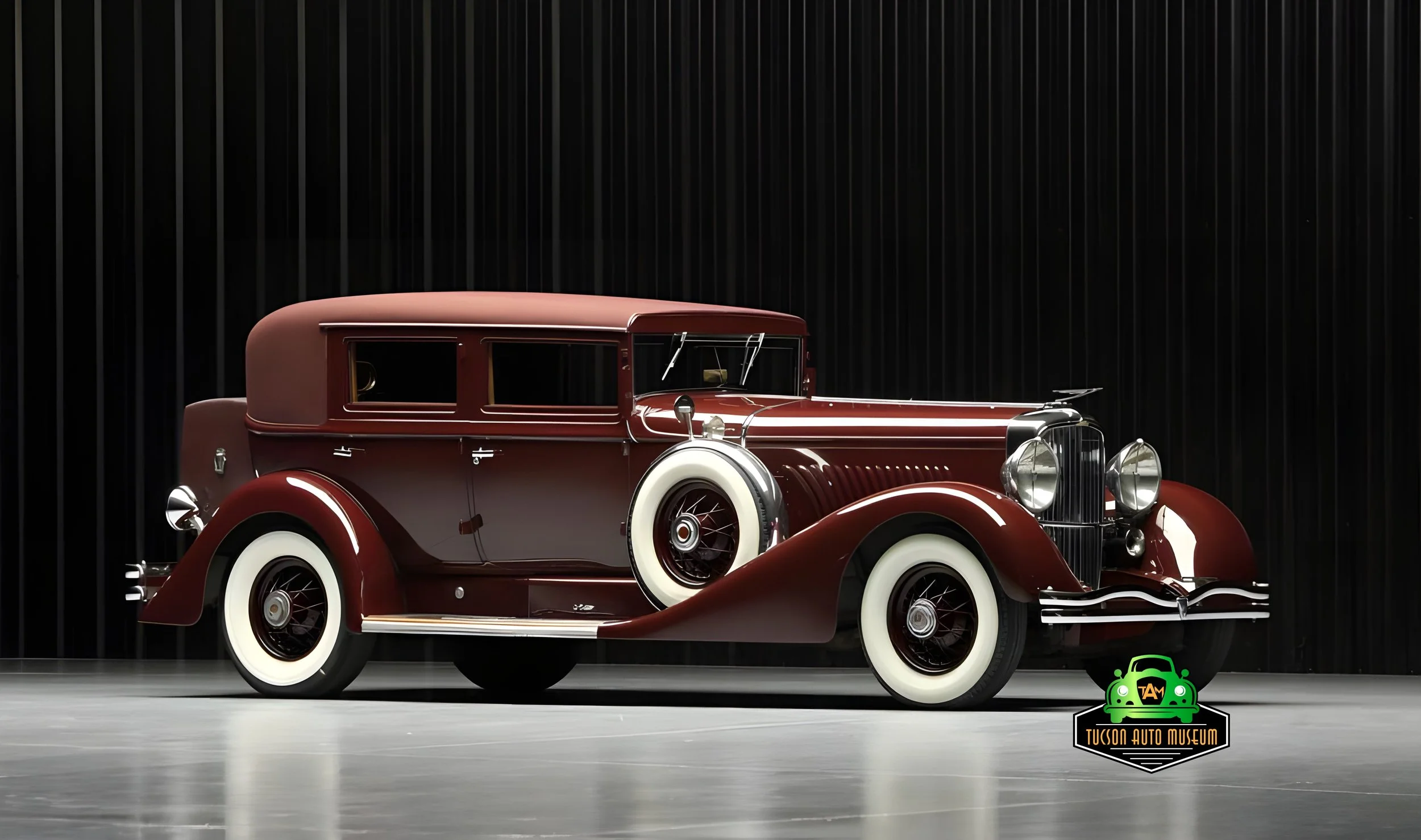
The Tucson Auto Museum's 1929 Duesenberg Model J Arlington Sedan is a perfect example of this American automotive icon. First, there was the raw power of the vehicle. The Duesenberg-designed straight 8 engine, with dual overhead cams, generated 265 horsepower, a setup that would be considered exotic for decades to come. In comparison, Model A Fords puttered around with a mere 40 horsepower. While the Big Three moved toward mass marketing and manufacturing with limited options, Duesenberg still allowed buyers to purchase a bare chassis and running gear. Owners then went to a third party for custom coachwork, and at that point the sky was the limit. However, this luxury did not come cheap; a car like that could cost upwards of $13,000, compared to the Ford Model A at $500.
Behind the scenes of newfound freedom, intrigue, and status, the automobile industry experienced explosive growth. Ford, General Motors, and Chrysler emerged as the “Big Three” auto manufacturers, transforming cars from luxury items into household necessities. In 1920, there were over 90 automobile manufacturers in the United States. By 1929, the Big Three controlled over 75% of the market. While consolidation brought efficiency and lower prices, it also meant less diversity in design and fewer choices for consumers seeking something unique.
New businesses sprang up to serve the increasing number of motorists, including gas stations, car repair shops, motels, convenience stores, and roadside restaurants. Technical innovations flourished—most notably, the four-wheel hydraulic brakes developed by Duesenberg, which were widely adopted by the late 1920s. Open touring cars gradually gave way to closed body styles, providing better protection from the elements and greater comfort for year-round driving.
The Tucson Auto Museum’s collection is more than a display of vintage cars; it preserves fragments of a broader American story. Each vehicle reflects the ambitions and experiences of individuals who shaped the nation’s future, whether young or old, law-abiding or rebellious, cautious or daring. The automobile stands as a vessel of change—a monument to freedom, risk, and the journey that shaped American society. Standing beside Dale Earnhardt’s #3, admiring the polished lines of the 1928 Franklin, or imagining a gangster cruising in a gleaming Duesenberg, it’s clear these machines are more than mere vehicles. They are storytellers—silent engines of transformation and lasting monuments to the spirit of the road. That spirit would face its greatest test in the decade to come. Next month we will look at the 1930’s, we will examine how the automotive industry navigated the Great Depression and adapted to the growing clouds of war.